Before Raising Taxes, Fix the Spending Problem
Every time costs go up, families make adjustments.
You cut back.
You prioritize.
You figure out what can wait.
That’s how real life works.
So when taxes go up, people naturally ask:
Did government do the same thing first?
Across our district, people are being asked to pay more.
Higher property taxes.
Higher costs across the board.
But at the same time, government spending keeps increasing.
And for a lot of taxpayers, it doesn’t feel like there’s been the same level of discipline on the spending side as there is in their own households.
You hear questions like:
• Why are there still delays on basic infrastructure projects?
• Why does it feel like money gets allocated, but problems stick around?
• Why does government grow—but results don’t always follow?
That’s where frustration starts.
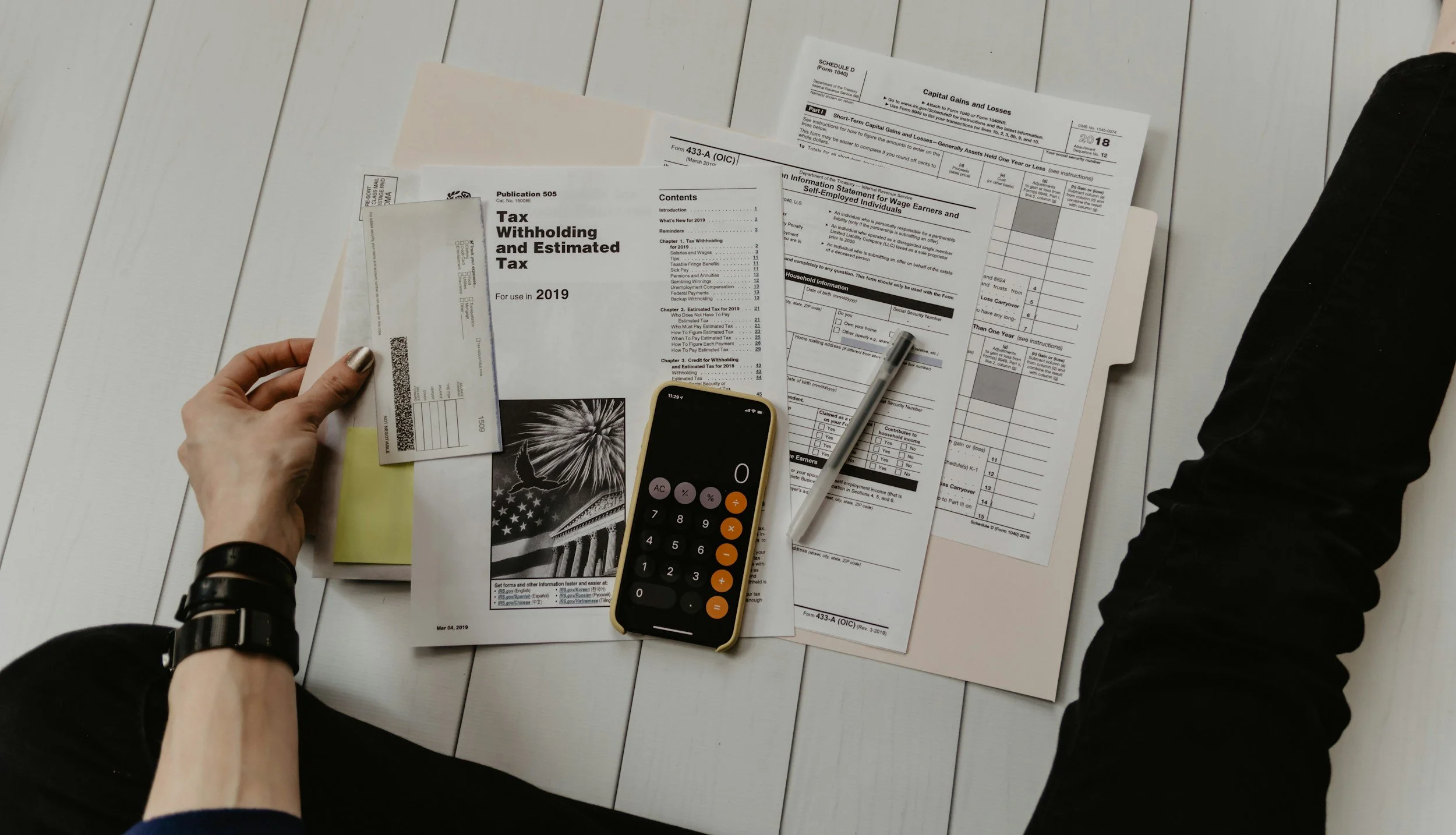
I’m a small business owner.
If my expenses start getting out of control, I don’t go straight to raising prices.
I look at my spending first.
What’s necessary?
What’s working?
What’s not?
Government should work the same way.
Before asking taxpayers to pay more, there should be a serious look at:
• Wasteful or duplicative programs
• Projects that sound good but don’t deliver results
• Spending decisions that prioritize headlines instead of outcomes
Because right now, too many people feel like that step is getting skipped.
This isn’t about cutting everything.
It’s about making sure that every dollar is actually doing something meaningful—improving roads, strengthening communities, supporting public safety, and helping the local economy grow.
That’s what responsible spending looks like.
You see this frustration across District 38.
If you’re in McCandless or Hampton, you’re paying attention to property taxes and wondering whether spending is being managed as carefully as your own household budget.
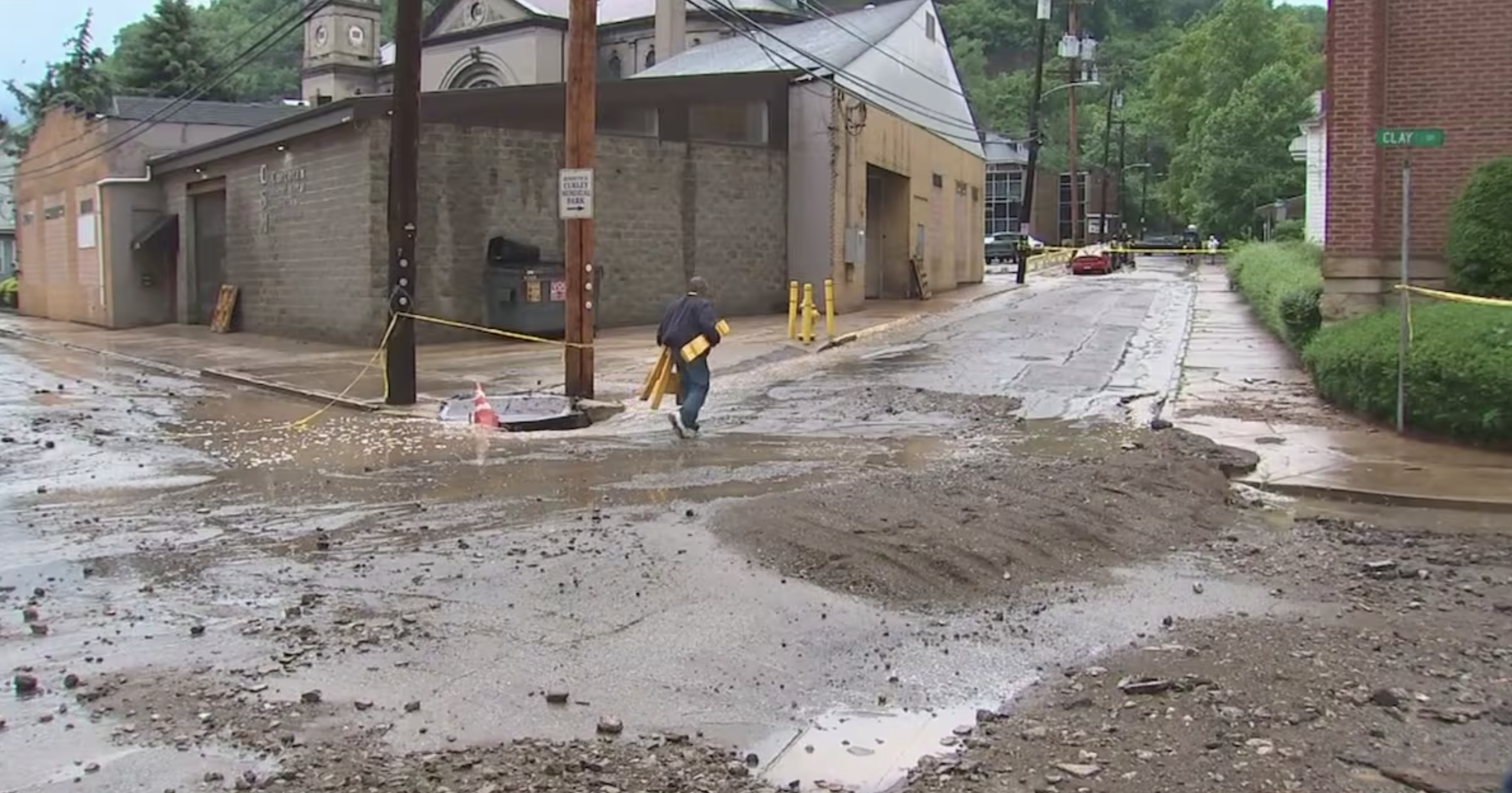
If you’re in Etna or Sharpsburg, you’re looking at ongoing infrastructure and flooding issues and asking why they take so long to fix.
If you’re in West Deer or Frazer, you’re seeing growth and development—but also wondering how tax dollars are being prioritized behind the scenes.
And if you’re in Tarentum or Springdale, you’re asking why long-standing issues don’t seem to move faster despite continued spending.
Different places. Same concern:
Before asking for more, are we using what we already have the right way?
Families make tough decisions every day about what they can afford and what has to wait.
It’s reasonable to expect the same kind of thinking from government.
That’s the standard we should be aiming for—and it’s one worth pushing for together.
If you agree it’s time for government to operate with the same common sense families use every day, I’d ask you to get involved and be part of this campaign.